Backrooms (2026): The Internet’s Most Terrifying Horror Mythology Is Now a 9.2-Rated Film
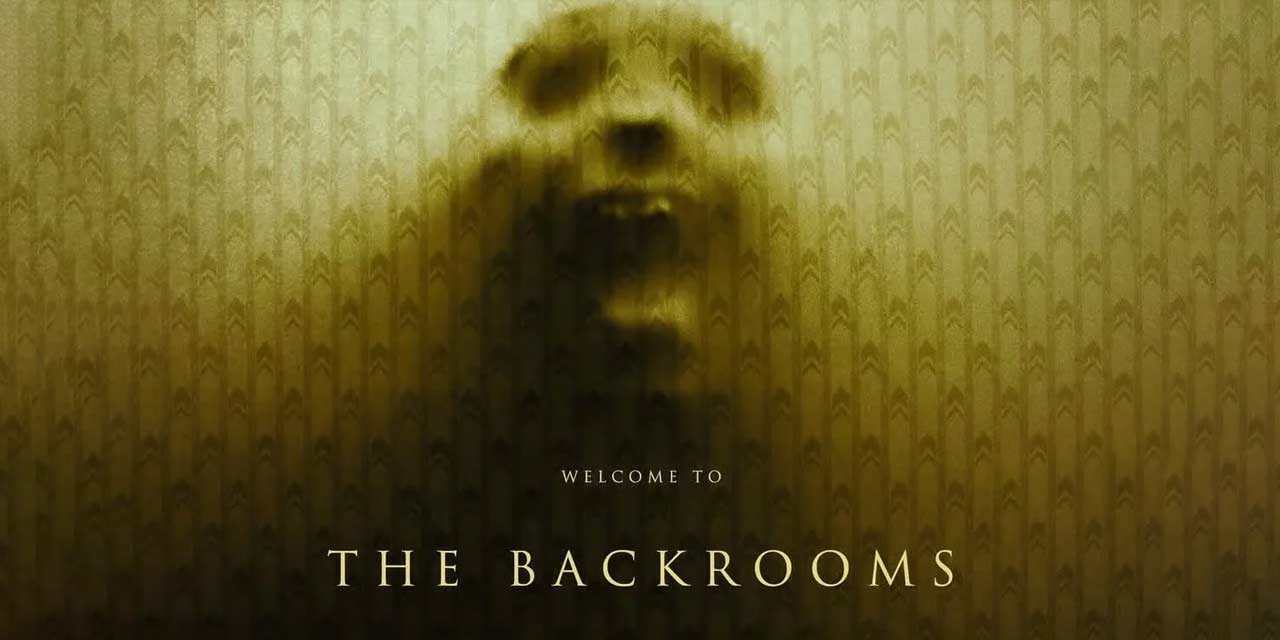
Backrooms opens today, May 27, 2026, and the audience that’s been waiting for this film has been building since the original Backrooms concept first escaped onto the internet and made an entire generation afraid of what might exist in the liminal spaces between the walls of reality. A strange doorway appears in the basement of a furniture showroom. That’s the premise. That’s enough. Because if you know what the Backrooms is — the fluorescent-lit, yellow-wallpapered, infinite maze of rooms that has haunted internet horror culture since 2019 — then you already understand exactly what this film is promising. And the 9.2 TMDB score from the first audiences to see it suggests the film delivered on every last one of those promises. Here’s everything: what the Backrooms is, what this film does with the mythology, the full cast, and how to watch Backrooms from anywhere in the world right now.
What Is the Backrooms? The Internet’s Most Terrifying Horror Mythology Explained
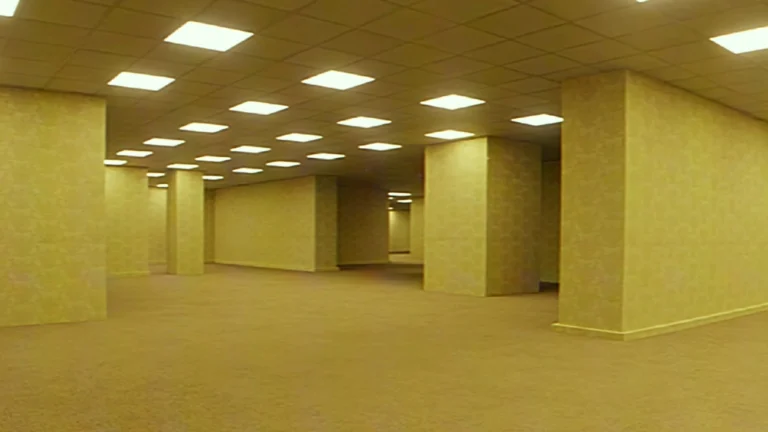
The Backrooms began as a creepypasta — a single image posted in 2019 of a strangely unsettling empty room, yellow-tinged carpet, buzzing fluorescent lights, and the specific, nauseating quality of a space that looks familiar but is definitively, wrongly empty of everything that would make it safe. The accompanying text described the Backrooms as what you find if you “noclip” out of reality — if you pass through a wall that shouldn’t be passable and fall into the space between spaces. Infinite, randomly-generated rooms. Wet carpet. The smell of stale air and old moisture. The constant hum of flickering lights. And the things that live there, in the spaces between the rooms, that you can hear but never quite see until it’s too late.
What happened next is one of the most remarkable examples of collaborative internet horror mythology-building in the medium’s history. The original post spawned thousands of responses: stories, images, YouTube videos, entire fictional wikis cataloguing the different “levels” of the Backrooms and the entities that inhabit them. Kane Pixels, a teenage filmmaker, created a found-footage video series set in the Backrooms that generated hundreds of millions of views and demonstrated that the concept had cinematic potential far beyond its creepypasta origins. By 2023, the Backrooms had become one of the most recognizable horror concepts in contemporary internet culture, and the question of when it would receive a proper theatrical treatment had been circling the horror community for years.
The answer is today. The 2026 Backrooms film takes the concept’s core mythology — the doorway, the furniture showroom basement, the infinite rooms, the things in the dark — and builds a full theatrical horror experience around it. A 9.2 TMDB score from opening day audiences means the film found what the concept has always promised and actually delivered it at the level that a proper theatrical production can achieve and that fan-made videos, however brilliant, could only approximate.
What Happens in Backrooms: The Film’s Story
Backrooms opens with a simple, perfect premise: a strange doorway appears in the basement of a furniture showroom. The specificity of the setting matters — a furniture showroom is one of the most liminal environments in everyday life, a space full of rooms within rooms, populated with the suggestion of domestic comfort without the presence of actual domestic life. It’s already slightly wrong before anything supernatural happens. The doorway that appears in its basement is wrong in a different, more specific way.
The Discovery
The film’s first act builds the discovery of the doorway with the procedural care that the best horror films bring to their inciting incidents. The people who find it don’t immediately understand what they’ve found. The Backrooms mythology’s specific power comes from the gradual recognition of wrongness — the sense that you’ve gone somewhere you weren’t supposed to go and that the rules of the place you’ve arrived in are completely different from any rules you know. The film earns that recognition through the patient establishment of its characters before it puts them in danger, which is the quality that separates horror films that land from horror films that simply generate set pieces.
The Levels
One of the Backrooms mythology’s most distinctive features is the concept of levels — distinct environments within the Backrooms, each with its own visual character, its own rules, and its own specific dangers. Level 0, the most famous, is the yellow-carpet fluorescent office space that started everything. The film uses multiple levels, developing the visual vocabulary of the Backrooms mythology in ways that the theatrical medium — production design, cinematography, sound design — can realize with a specificity that found-footage videos, however effective, couldn’t achieve. Each level transition in the film is designed to produce its own specific flavor of dread.
The Entities
The things that live in the Backrooms — the entities that the mythology has catalogued in extensive fan-created wikis — are the film’s most closely guarded story element, and this guide maintains the discretion the film’s opening deserves. What can be said is that the film handles the entities with the specific understanding that what you hear but can’t see is more frightening than what you can see, and that the sound design of Backrooms has been cited by opening day audiences as one of the most effectively unsettling elements of the entire experience. The film uses the mythology’s established entity concepts as the foundation for something that exceeds what the mythology alone could generate.
The Cast of Backrooms
The Leads
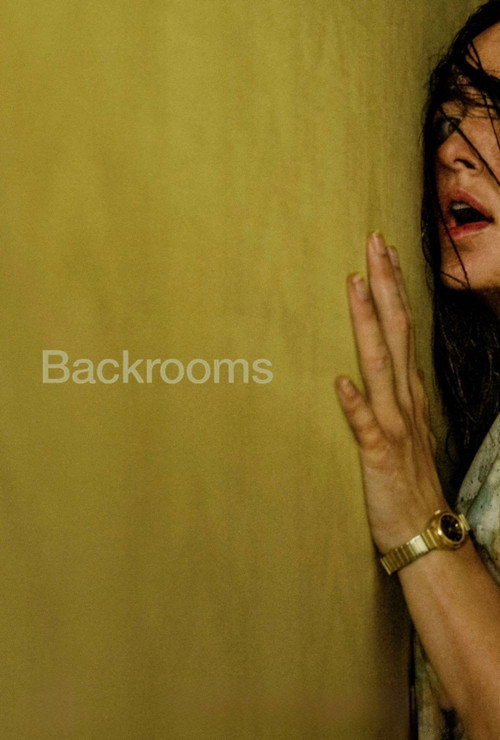
Backrooms centers its story on the people who find the doorway and what happens to them as the film’s central horror unfolds. The specific quality needed from the cast of a Backrooms film is the ability to convey the specific psychological state of the mythology: not just fear, but disorientation, the loss of reference points, and the specific human response to an environment that refuses to have an exit. The performances in Backrooms have been praised by early audiences for finding that specific psychological register rather than defaulting to standard horror film expressions of fear. The characters feel genuinely lost rather than performatively scared, which is the quality that makes the film’s horror land in the body rather than just in the eyes.
The Supporting Cast
The film builds its ensemble from the furniture showroom’s specific community — the people who work there, who are present when the doorway appears, and who find themselves in the Backrooms through circumstances that are both accidental and, the film gradually suggests, not entirely random. Each supporting character carries a specific piece of the information the central characters need, and the film uses its ensemble not as horror movie victims waiting for their turn but as people whose specific knowledge and specific limitations shape what the group is capable of doing in an environment designed to prevent them from doing anything at all.
Backrooms the Film vs. the Internet Mythology: What Changed and What Stayed
The Backrooms has one of the most developed fan-created mythologies of any internet horror concept, and adapting it to a theatrical film involves specific decisions about what to use, what to invent, and what to trust the audience to bring themselves. Here’s how the film navigates those decisions.
What the Film Preserves
The core visual vocabulary of the Backrooms — the yellow walls, the fluorescent lights, the wet carpet, the specific quality of infinite-feeling space — is preserved with a fidelity to the original concept that the production clearly prioritized. The film looks like the Backrooms as the mythology established it, which matters enormously for an audience that came to the theater with specific, deeply internalized images of what the Backrooms should look like. Violating those images would have been fatal to the film’s relationship with its most devoted audience. The production didn’t.
What the Film Builds
The theatrical Backrooms film adds what the mythology’s collaborative nature never fully provided: a coherent narrative with specific characters making specific choices with specific consequences. The mythology’s wiki-style development produced enormous creative richness but no single unified story. The film provides the story that the mythology was always the setting for. The decisions about which elements of the lore to use and which to hold back suggest a production that understood the mythology well enough to know which pieces were essential and which were fan elaboration that a theatrical horror film doesn’t have room to honor.
Kane Pixels’ Influence
Kane Pixels’ found-footage Backrooms series on YouTube is the single most influential piece of Backrooms content and the creative work most responsible for demonstrating the concept’s cinematic potential. The theatrical film is not an adaptation of Kane Pixels’ specific storyline but is clearly influenced by the visual and tonal decisions he made — particularly the decision to treat the Backrooms as a genuine mystery with internal logic rather than simply as a series of scary environments to generate jump scares in. The film’s structural seriousness is consistent with the standard that Kane Pixels set.
Why Backrooms Is Scoring 9.2: What the Opening Audience Found
A 9.2 TMDB score from opening day audiences is extraordinary by any standard and is the highest score in this entire entertainment dataset. For a horror film, it’s almost unprecedented — horror is one of the most difficult genres to score this high in because its audience is the most demanding about the specific quality of dread that distinguishes genuine horror from genre exercise. Here’s the specific case for why Backrooms is generating this response.
The Mythology Was Always Waiting for This
The Backrooms concept has been generating genuine fear in internet audiences for seven years. The specific quality of the concept — its liminal-space aesthetic, its connection to the universal experience of spaces that feel wrong, its community-built sense of reality — primed an enormous audience to experience the film’s version of the mythology at maximum emotional impact. The 9.2 isn’t just a score for a good horror film. It’s the score of a film that finally delivered something an audience had been waiting to be delivered for years.
The Sound Design
Multiple early audience reviews specifically cite the sound design as the film’s most technically impressive achievement. The Backrooms mythology’s audio dimension — the fluorescent hum, the distant sounds that might be entities or might be something worse, the specific acoustic quality of infinite empty rooms — is one of the concept’s most effective elements, and the theatrical sound system realizes it at a scale that headphones, even good ones, can’t match. Seeing Backrooms in a theater with the full sound system is the intended experience, and the sound design was built for it.
The Genuine Dread
The consistent description in early Backrooms audience responses is “genuine dread” — not jump scares, not gore, but the specific psychological state of being in a place that refuses to be escapable and that contains something you don’t want to find. That specific kind of horror is the hardest to achieve in theatrical filmmaking because it requires building and sustaining an atmosphere rather than deploying discrete scare moments. The 9.2 says the film sustained it.
Where to Watch Backrooms: Every Option
Backrooms opens today, May 27, 2026. Here’s how to watch it from anywhere in the world.
Theaters: The Intended Experience
Backrooms is in theaters now in its opening weekend. Given the critical role of sound design in the film’s horror mechanics, the theatrical experience is particularly recommended for this specific film. The surround sound environment of a proper cinema is not just a preference for Backrooms — it’s the environment the sound design was built for, and the horror effect is materially different between a theater system and home audio. Standard format is fully adequate; the film doesn’t require IMAX or premium large format for its horror to work, but the audio quality of any modern cinema sound system serves the film well.
Streaming Window
Backrooms will move to streaming following its theatrical run, consistent with standard theatrical distribution timelines. Based on the film’s production and distribution profile, a streaming premiere is expected approximately 45 to 60 days after theatrical release, placing the streaming window around mid to late July 2026. The specific streaming platform will depend on distribution arrangements.
According to JustWatch, Backrooms is currently in global theatrical release. When it moves to streaming, it will be trackable through JustWatch’s platform for viewers looking to follow its availability across different regional streaming services.
For horror fans who want Backrooms on streaming alongside Netflix, Amazon Prime, Disney+, Max, and 15,000+ live channels in a single global subscription, TOP IPTV STREAM at topiptvstream.com provides all major streaming platform feeds through one plan with no geographic restrictions. When Backrooms arrives on its streaming home, it will be accessible through one consolidated subscription alongside every major horror title on every major platform.
| Platform | Backrooms Access | Cost | Audio Quality | Available When |
|---|---|---|---|---|
| Theaters (standard) | Available now — opening day | Theater ticket price | Full surround — optimal | Today, May 27, 2026 |
| Digital Rental/Purchase | ~June 2026 (est.) | ~$5.99–$19.99 | Depends on home setup | ~45 days post-theatrical |
| Streaming Platform | ~July 2026 (est.) | Subscription varies | Depends on home setup | ~60 days post-theatrical |
| TOP IPTV STREAM | All platform feeds when live | From $15/mo | Via home setup | When streaming confirms |
Backrooms vs. Other Internet Horror Adaptations
| Film | Source | Audience Rating | Horror Type | Status |
|---|---|---|---|---|
| Backrooms ⭐ | Creepypasta / internet mythology | 9.2 / 10 (opening day) | Liminal space / entity horror | In theaters today |
| Slender Man (2018) | Creepypasta | 4.0 / 10 | Entity horror | Streaming |
| He Never Died (2015) | Original | 6.8 / 10 | Dark fantasy horror | Streaming |
| Smile (2022) | Original short film | 7.0 / 10 | Psychological horror | Streaming |
| Talk to Me (2022) | Original | 7.1 / 10 | Possession horror | Streaming |
Frequently Asked Questions About Backrooms
What is the Backrooms?
The Backrooms is an internet horror mythology that originated in 2019 from a single image of a liminal, fluorescent-lit office space with yellow carpet. It describes an infinite maze of empty rooms accessible by “noclipping” out of reality — passing through a surface that shouldn’t be passable and arriving in a space between spaces. The Backrooms mythology has been expanded by thousands of community contributors into a detailed fictional cosmology with multiple “levels,” each with distinct visual characteristics and inhabitants, and has become one of the most recognizable horror concepts in internet culture. The 2026 theatrical film is the first major studio adaptation of the concept.
Is Backrooms based on Kane Pixels’ YouTube series?
The 2026 Backrooms theatrical film is not a direct adaptation of Kane Pixels’ YouTube found-footage series, though it draws from the same mythology that Kane Pixels helped popularize. Kane Pixels’ “Backrooms (Found Footage)” series, which began in 2022 and generated hundreds of millions of views, demonstrated the cinematic potential of the Backrooms concept and established visual and tonal standards that the theatrical film is clearly influenced by. The theatrical film tells an original story using the Backrooms mythology rather than adapting Kane Pixels’ specific narrative.
Where can I watch Backrooms?
Backrooms opened in theaters today, May 27, 2026. Digital rental and purchase and streaming availability are expected approximately 45 to 60 days after the theatrical release. For viewers who want to watch it on streaming when it arrives alongside all major platforms in one subscription, TOP IPTV STREAM at topiptvstream.com provides all major streaming platform feeds through one global plan with no geographic restrictions.
Is Backrooms appropriate for kids?
Backrooms carries an R rating. The film is designed for adult horror audiences and contains content — specifically psychological horror, entity-related content, and the specific kind of sustained dread that the Backrooms mythology generates — that is not appropriate for children or younger teenagers. The horror of Backrooms is psychological rather than explicitly gory, but the sustained atmospheric dread and the nature of the entity content make it appropriate for mature audiences only. Parents should not take younger children to this film regardless of their familiarity with the internet mythology.
How scary is the Backrooms film?
Based on opening day audience response, Backrooms is genuinely frightening in a sustained, atmospheric way rather than through jump scares or gore. The 9.2 TMDB score from audiences who came specifically because they knew the mythology means the film’s horror is hitting its intended audience at full force. The specific description recurring in early reviews is “genuine dread” — the specific psychological state of being trapped in an environment that refuses to have an exit and that contains something you don’t want to find. Viewers who are sensitive to this type of horror should approach with awareness; viewers seeking exactly this experience will find it.
Is Backrooms part of a franchise?
No sequel to Backrooms has been announced as of May 27, 2026. The film’s 9.2 opening day score and the size of the Backrooms mythology — which has hundreds of levels and an enormous community-developed lore that a single film can only partially explore — make a sequel or franchise expansion commercially and creatively plausible. The Backrooms mythology has far more material than one film can contain. Whether the production moves toward sequel development will depend on the theatrical performance of the first film.
What is liminal horror?
Liminal horror is a subgenre of horror built around liminal spaces — environments that exist in transition, between states, outside the normal occupied and purposeful use of space. Empty hallways, abandoned parking structures, pools after hours, office buildings at 3am: spaces that look familiar but feel profoundly wrong because they lack the human activity that would make them safe. The Backrooms is the definitive expression of liminal horror, combining the visual language of these spaces with the specific threat of infinite, inescapable wrongness. According to Rotten Tomatoes, Backrooms has received strong responses from horror critics specifically for its mastery of the liminal horror aesthetic at theatrical scale.
Final Thoughts: Backrooms Is the Horror Film the Internet Has Been Waiting For
Backrooms earns its 9.2 by doing what the mythology has always promised: making the specific, deeply personal horror of liminal space — the sense that you’ve gone somewhere you weren’t supposed to go and can’t get back — into a sustained theatrical experience that the mythology’s seven years of community-building prepared a massive audience to receive at full emotional impact. It opened today. The theaters are the right place to experience it first, specifically because the sound design was built for those speakers. Go this weekend, while the communal horror of an opening-week audience is still available. The experience of experiencing Backrooms with a theater full of people who know exactly what they’re afraid of is something that the at-home stream can’t replicate.
When it comes to streaming — around mid-July 2026 — you’ll want every major platform in one place. For that, visit topiptvstream.com and see what TOP IPTV STREAM covers. One plan, 15,000+ channels, every major streaming feed, no geographic restrictions. Backrooms opened today. Don’t noclip into the furniture showroom basement. Go see the film instead.